

Cloth Distribution
The Importance of Cloth Distribution: Bridging Gaps and Empowering Communities
Clothing is a basic human necessity. It provides protection from the elements, contributes to personal identity, and plays a significant role in cultural expression. However, while clothing may seem like a universal need, not everyone has equal access to it. In many parts of the world, people struggle to afford even the most basic garments. The issue isn’t a lack of available clothing but rather the efficient distribution of those garments to the people who need them most. In this blog post, we’ll explore the importance of cloth distribution, how it can help address inequality, and the role it plays in uplifting communities around the world.
What is Cloth Distribution?
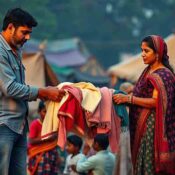
Cloth distribution refers to the process of getting clothing from where it is produced or donated to individuals who need it. This distribution system involves a range of actors, including manufacturers, retailers, charities, and nonprofit organizations. It encompasses everything from surplus clothing being redirected to low-income areas, to targeted donations in regions affected by poverty, disaster, or conflict. Efficient cloth distribution ensures that the right clothing gets to the right people, whether it’s new clothing sold at affordable prices or secondhand garments donated to those in need.
While cloth distribution may seem straightforward, it requires significant coordination, especially when serving marginalized populations. Factors like geographical location, logistics, cultural preferences, and seasonality all come into play when ensuring that people receive the clothing that best suits their needs.
The Role of Cloth Distribution in Addressing Inequality
Clothing is not just a necessity—it’s also a reflection of personal dignity and social status. Lack of access to proper clothing can lead to social exclusion, stigma, and even discrimination. In many societies, people who cannot afford proper attire may face barriers to education, employment, or social participation. Cloth distribution, when done effectively, can help alleviate these inequalities and improve quality of life.
1. Providing Basic Necessities
One of the most immediate benefits of cloth distribution is meeting the basic clothing needs of vulnerable populations. For many low-income families, spending on clothing is a secondary priority behind food, shelter, and healthcare. As a result, some people go without adequate clothing, especially during extreme weather conditions.
Charitable organizations, government programs, and local community initiatives can play a key role in ensuring that these basic needs are met. By distributing clothing—whether through donation drives, thrift shops, or direct assistance programs—these initiatives provide people with the essential garments they need to stay safe, warm, and protected.
2. Helping Refugees and Displaced People
Cloth distribution becomes especially crucial in the context of humanitarian crises, such as refugee situations or natural disasters. Refugees and displaced persons often arrive in new areas with only the clothes on their backs, and those clothes are typically inadequate for their new environment.
In such cases, organizations like the United Nations High Commissioner for Refugees (UNHCR), local charities, and other humanitarian groups work tirelessly to distribute clothes to those affected by crisis. These clothing donations not only serve to protect vulnerable individuals from the elements but also help restore a sense of dignity in the midst of hardship.
3. Fighting Poverty and Empowering People
Clothing plays an important role in helping individuals break free from the cycle of poverty. When people can access affordable and suitable clothing, they have better opportunities to integrate into society, participate in the workforce, and pursue education. For example, children who are provided with proper school uniforms may feel more confident and motivated to attend school, leading to higher educational outcomes.
Similarly, for adults seeking employment, having access to appropriate attire for job interviews and daily work is essential. Cloth distribution programs that focus on providing job-appropriate clothing, such as business attire for interviews or uniforms for specific trades, can significantly boost a person’s chances of finding employment.
4. Promoting Sustainable Fashion
Cloth distribution also plays a key role in the global conversation about sustainability. The fashion industry is notorious for its environmental impact, producing an enormous amount of waste and contributing to pollution. However, by redistributing secondhand clothing, we can reduce the demand for new garments and help extend the life cycle of clothes.
Many nonprofit organizations and thrift shops collect gently used clothing and redistribute it to those in need. This not only ensures that valuable resources are being put to good use but also encourages a more sustainable approach to consumption. People can get access to quality clothing without contributing to the overproduction and waste that plagues the fashion industry.
The Benefits of Efficient Cloth Distribution
A well-organized cloth distribution system offers a variety of benefits, both for the individuals receiving the clothing and for the broader community. Here are a few of the key advantages:
1. Economic Support for Local Communities
Cloth distribution, especially through secondhand clothing programs, can help create new economic opportunities for local communities. Many organizations that distribute clothes locally also sell them in thrift stores or resale markets, generating revenue that can be reinvested in community programs. This model not only provides affordable clothing to those in need but also supports the local economy by creating jobs in sorting, distributing, and selling garments.
2. Reducing Waste and Promoting Recycling
As mentioned earlier, the fashion industry is one of the largest polluters globally, and a significant amount of textile waste ends up in landfills each year. By redistributing clothing that is still in good condition, we can reduce the environmental impact of textile waste. The practice of donating and reusing clothing also encourages a circular economy, where goods are recycled, reused, and kept out of landfills.
3. Building Stronger Communities
Cloth distribution fosters a sense of solidarity and community spirit. Whether it’s a local church organizing a clothing drive or a global organization sending aid to a disaster-stricken area, these initiatives bring people together to help those in need. Clothing drives and charity events often encourage volunteerism, strengthen social ties, and raise awareness about poverty and inequality.
Moreover, cloth distribution can help break down social stigmas associated with poverty. When clothing is distributed in a way that emphasizes dignity and choice, it promotes a sense of equality and respect.
Challenges in Cloth Distribution
While cloth distribution is an important tool for addressing clothing needs, it is not without challenges. Some of the most significant hurdles include:
- Logistical Barriers: Getting clothing to remote or conflict-affected areas can be difficult. Limited infrastructure, political instability, and logistical issues can delay or disrupt the distribution process.
- Quality Control: Not all donated clothing is suitable for distribution. Some garments may be damaged, out of season, or inappropriate for the needs of the community. Sorting through donations and ensuring that only usable clothing is distributed is a time-consuming and labor-intensive task.
- Cultural Sensitivity: When distributing clothing in diverse regions, it’s essential to consider cultural preferences, traditions, and local needs. Clothing that may be appropriate in one region may not be suitable in another, and understanding these nuances is key to successful distribution.
Innovative Solutions for Better Cloth Distribution
Several innovative solutions are emerging to tackle the challenges of cloth distribution and make the process more effective:
- Mobile Distribution Units: Some organizations have begun using mobile units to deliver clothing directly to people in need, particularly in rural areas or disaster zones. These mobile units can act as pop-up stores or distribution hubs, bringing clothing directly to where it is most needed.
- Clothing Banks and Exchanges: Similar to food banks, clothing banks collect donated items and distribute them to individuals in need. In some cases, clothing exchange programs have been set up where people can swap gently used clothing, reducing waste while helping others access clothing at no cost.
- Technology-Driven Solutions: Apps and online platforms are increasingly being used to match clothing donations with people in need. These platforms can help organizations track donations, identify shortages in specific regions, and optimize distribution logistics.
Conclusion: Clothing as a Tool for Empowerment
Cloth distribution is far more than just a humanitarian effort to provide warm garments—it’s about restoring dignity, empowering individuals, and reducing inequality. Through effective clothing distribution systems, we can help ensure that everyone, regardless of their financial situation, has access to the clothing they need to thrive.
By fostering collaboration, supporting local economies, and promoting sustainable practices, cloth distribution is an essential part of building a more equitable and compassionate world. In a society where clothing is more than just fabric—it’s a tool for personal empowerment and social connection—the need for efficient and thoughtful distribution has never been more pressing.

All Categories
Recent Posts


+0123 (456) 7899
contact@example.com

